It’s important to recognise that genetic progress is the long-game in any beef breeding enterprise. Breeders won’t improve short-term profitability by ramping up their spend at a bull sale.


Star Performance for Commercial Cattle
It’s important to recognise that genetic progress is the long-game in any beef breeding enterprise. Breeders won’t improve short-term profitability by ramping up their spend at a bull sale.

An overview of what we learned from the Genomics PDS in 2023

Maternal efficiency is all about making sure a breeding enterprise is economical. In a self replacing herd, it’s estimated that 75% of the grass grown goes toward maintaining the cow herd. That only leaves us with a quarter of our pasture productivity to produce a saleable product.

The Genomics for Commercial Angus PDS continues to provide us with interesting revelations. In this update we look at how selecting replacement heifers with genomics adds significant value to your cull/surplus heifers.

In this 3rd phase of our on-farm mineral supplementation trial, we explored whether there is a benefit to using a combination trace mineral supplement (e.g. Multimin) when we’ve identified that we have only a single mineral deficiency, in our case Selenium (Se).
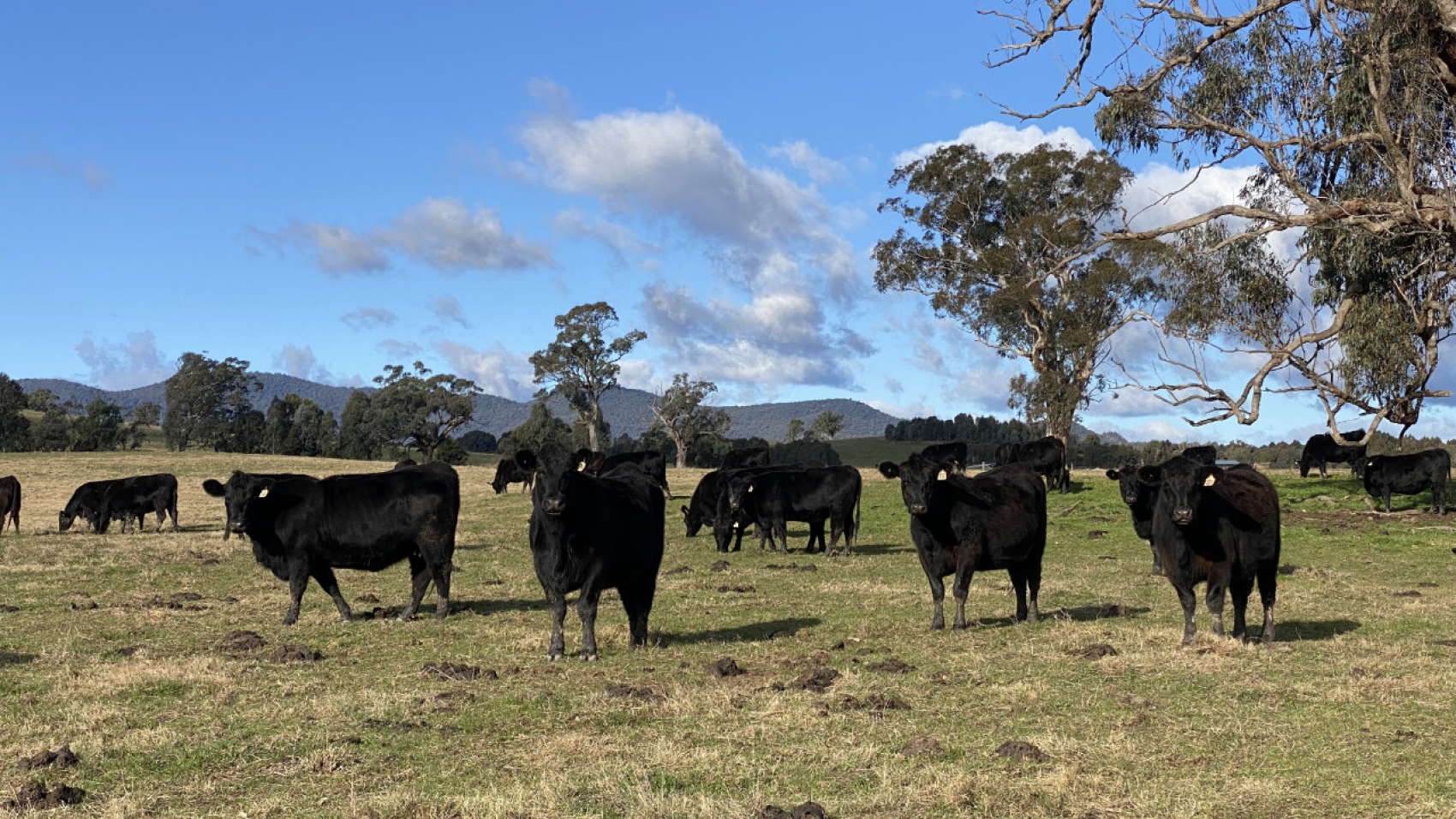
Now is the time to be thinking about strategies to mitigate the impact of future ‘tougher’ times. Here are my thoughts and a virtual tour of some of the investments we’ve made to build resilience in our commercial beef enterprise in recent years.

Many advocates of FTAI make a compelling case for using the practice on commercial heifers. However we don’t think the reasons stack up in our commercial enterprise. Here’s why.

Maintaining breeding cows uses around 75% of all the grass you grow. That’s why maternal efficiency and fertility are key profit drivers.
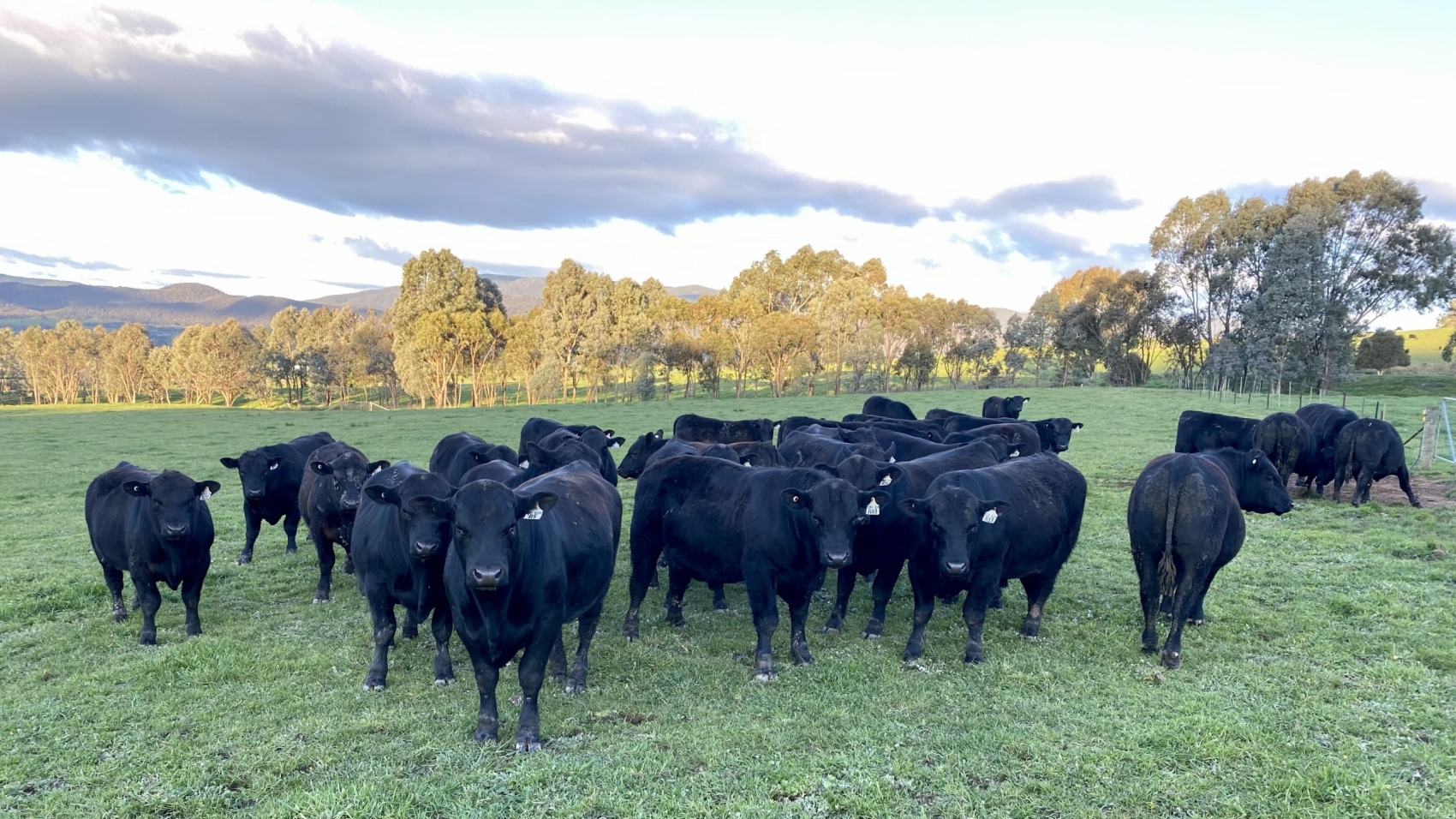
This Spring we are excited to offer 25 excellent yearling bulls that feature maternal efficiency, carcass quality and growth.

Learn about the insights discovered and discussed by project participants in our Spring 2021 update.